





Comforter vs Duvet: The Complete Bedding Layering Guide
The difference between bedding layers is less about terminology than about how each piece functions on the bed. A finished comforter can create a polished look with one substantial layer. While a duvet system gives you more flexibility to change the cover, texture, and level of warmth as your room evolves.
In a comforter vs duvet comparison, a comforter is a single quilted piece designed to be used as-is. While a duvet is a soft filled insert paired with a removable cover. The right choice depends on your preferred maintenance routine, styling flexibility, and the atmosphere you want to create.
Shop the Lili Alessandra Bedding Collection
From an elegant coverlet folded at the foot to a tactile throw and carefully chosen decorative pillows, a designer-quality bed is built through proportion, texture, and purpose. Begin with the foundation: understanding what a comforter is and how its construction shapes the look and feel of the finished bed.
What Is a Comforter?
A comforter is a finished, single-piece bed covering with its outer fabric and fill joined together by quilting or stitching. It is designed to be placed directly over the bed as the primary warmth layer without requiring a separate cover. Its visible surface, texture, and pattern become part of the room's design from the start.
A comforter is a finished, single-piece layer of bedding designed to be placed directly over the bed. Its interior fill is held in place with quilting or stitching, giving the piece structure while helping distribute warmth evenly. Unlike a duvet, a comforter does not require a separate cover, so the fabric, color, pattern, and decorative finish are part of the design from the beginning.
A finished layer with its own decorative character
Comforters can be crafted from a range of luxury textiles, including smooth cotton sateen, plush velvet, and textured matelasse. Each material changes the mood of the room. Cotton sateen lends a polished, softly luminous finish, while velvet brings depth and richness. Matelasse adds sculptural texture through its raised, woven surface, creating visual interest even when the rest of the bed is styled simply.
Because the comforter is visible as-is, its construction matters as much as its fill. Quilting may create a refined geometric pattern, a subtle tonal effect, or an expressive surface that becomes a focal point in the bedroom. For inspiration, explore this guide to white quilted comforters, where a classic palette meets dimensional design.
Why choose a comforter for everyday use?
The simplicity of a comforter is one of its most appealing qualities. There is no separate cover to remove, align, or fasten, which makes the bed faster to make and easier to keep visually composed. A well-designed comforter can provide a streamlined foundation on its own, then be finished with decorative pillows, a folded throw, or a lightweight accent layer.
Comforters also come in various weights, allowing you to choose a lighter option for a more relaxed, breathable arrangement or a fuller style for added warmth and presence. The right choice depends on your climate, sleep preferences, and the atmosphere you want to create. Browse the Lili Alessandra bedding collection to compare elevated textures, finishes, and complete the look with pieces suited to your bedroom.
What Is a Duvet?
A duvet is a two-part bedding system consisting of a soft, filled insert and a removable cover. The insert provides warmth and loft, while the cover protects the insert and defines the visual character of the bed. The cover can be removed for washing or changed seasonally, making the duvet one of the most versatile options for a luxury bedroom.
A duvet is a two-part bedding system designed for comfort, flexibility, and a beautifully finished bed. The first layer is the duvet insert, a soft, flat bag filled with insulation. The second is a removable duvet cover that slips over the insert and protects it while defining the look of the room.
The duvet insert
The insert provides the loft and warmth. Lili Alessandra uses Down Alternative in its duvet inserts rather than down feathers. This filling is hypoallergenic, cleaner, and a thoughtful choice for sleepers with allergies or sensitivities. The insert is also intentionally sized larger than the cover. That extra fullness helps the duvet retain its shape and prevents it from shifting inside the cover during the night.
The removable duvet cover
Unlike a finished comforter, a duvet cover can be removed for washing or changed whenever you want to refresh the bedroom. It is an elegant way to make seasonal or stylistic updates without replacing the insert. A softly tailored cover in European linen creates a relaxed, textural finish, while cotton sateen offers a smoother surface with subtle luster. For a more layered arrangement, pair the duvet with refined sheets and decorative pillows from the luxury duvet collection.
This separation of insert and cover is what makes a duvet especially versatile. Keep the same insert through the year. Then choose a lighter cover and breathable materials for a warmer season or a more enveloping arrangement when the weather turns cool. The cover also gives you greater control over the visual character of the bed, from understated European-inspired simplicity to a richly decorated statement.
For guidance on selecting the finishing layer, explore the high-end duvet cover buyer's guide. It explains how fabric, scale, and detailing influence the way a duvet ensemble looks and feels. For king-size beds, the best king duvet covers buyer's guide offers additional sizing and styling advice.

Key Differences Between a Comforter and a Duvet
A comforter is a single finished piece used as-is, while a duvet is a two-part system of an insert and a removable cover. The comforter offers simplicity and streamlined bed-making, while the duvet provides greater flexibility for seasonal changes, easier cover laundering, and more styling options over time. Your choice depends on your priority between convenience and adaptability.
Both options provide warmth and a polished foundation for the bed, but they are built for different routines. A comforter is a single finished piece, while a duvet is a two-part system made from an insert and a removable cover. The right choice depends on how much flexibility you want in care, styling, and seasonal comfort.
| Consideration | Comforter | Duvet |
|---|---|---|
| Construction | A single finished bed covering with its outer fabric and fill joined together, typically with quilting to keep the fill evenly distributed. | A soft insert paired with a separate duvet cover. The cover encloses the insert and can be secured with interior ties or fasteners when available. |
| Washing and care | The entire comforter must be cleaned when it needs washing. Always follow the care instructions for its fabric, fill, and construction. | The removable cover can be washed more frequently than the insert. This makes routine care more manageable, although the insert still requires its own appropriate cleaning schedule. |
| Aesthetics | One coordinated piece creates an all-in-one, streamlined look. It is a practical choice when you prefer a finished design without additional layering decisions. | Changing the cover can shift the mood of the room without replacing the insert. Linen, cotton sateen, and other refined textiles offer room for seasonal or style-led updates. |
| Warmth | Comforters are available in different weights, so you can select a lighter or fuller option for your sleeping environment. | Warmth depends largely on the insert you choose. Down Alternative fills can provide a hypoallergenic option for sleepers who prefer to avoid down and feathers. |
| Cost | The initial purchase is generally one finished bedding piece, which can make the cost easier to assess at once. | The system requires an insert and at least one cover. The added investment creates more styling flexibility, and additional covers can refresh the look over time. |
For a concise, finished presentation, a comforter may be the natural choice. For a more adaptable bedroom, a duvet makes it easier to change color, texture, and seasonal character while keeping the core insert. Explore the Lili Alessandra bedding collection for elevated foundational layers, or view the luxury duvet collection when you want a more versatile approach to styling.
What About Coverlets, Quilts, and Bedspreads?
Coverlets, quilts, and bedspreads serve as decorative or secondary layers rather than primary warmth pieces. A coverlet is a lightweight, neatly fitted layer often folded at the foot. A quilt features three layers held together by decorative stitching. A bedspread extends to the floor for full, traditional coverage. Each brings a distinct proportion and texture to a layered bed.
Coverlets, quilts, and bedspreads each bring a distinct proportion, texture, and finish to a layered bed. Unlike a comforter or duvet insert, they are usually chosen as decorative or secondary layers. They can refine the silhouette of the bed, add tactile dimension, and provide light warmth without becoming the primary insulating layer.
Coverlets: A Lightweight Decorative Layer
A coverlet is a lightweight, bedspread-style blanket that generally rests neatly over the mattress and does not extend to the floor. Its role is often more decorative than thermal. Making it especially useful when you want a polished foundation beneath a duvet or folded at the foot of the bed. Woven textures, matelasse construction, subtle quilting, and refined pattern can add depth without overwhelming the room. For more on coverlet proportions for different bed sizes, see the California king coverlet guide.
For a closer look at the distinctions between these two terms, read our guide to coverlet versus quilt differences. For a deeper breakdown of terminology, the coverlet vs quilt key differences article also clarifies when each term applies. When you are ready to explore finishes and proportions, view the designer coverlet collection.
Quilts: Three Layers, Defined by Stitching
A quilt is constructed from three layers: a top fabric, a layer of batting, and a backing. Decorative stitching holds those layers together, creating the characteristic surface pattern and tactile structure. Depending on its materials and weight, a quilt can offer light warmth. But it is commonly used as a versatile layering piece rather than a substitute for a substantial duvet insert.
Quilts are particularly effective in transitional seasons. Place one over a sheet or lightweight coverlet when the room needs texture and a modest layer of warmth. Or fold it across the foot of a fully dressed bed for a more tailored finish. Our queen quilts and coverlets guide offers more direction on selecting the right scale. For a specific look, the off-white quilt guide shows how a neutral quilt can anchor a relaxed bedroom palette.
Bedspreads: Full Coverage and Traditional Proportion
A bedspread is designed to cover the entire bed, often extending to the floor at the sides and foot and covering the pillows as well. That full-size proportion creates a unified, traditional appearance with fewer visible layers. It can be an elegant choice for a guest room or a bedroom where a single finished covering is preferred. Although it does not offer the same modular flexibility as a duvet system.
The difference between a coverlet and bedspread is primarily one of scale and coverage, not simply fabric or pattern. Compare the details in this complete coverlet and bedspread guide before choosing the final layer for your room.
As you consider the comforter vs duvet decision, think of these pieces as styling partners. A coverlet, quilt, or bedspread can shape the look of the bed, while the primary comfort layer supplies the warmth you need.
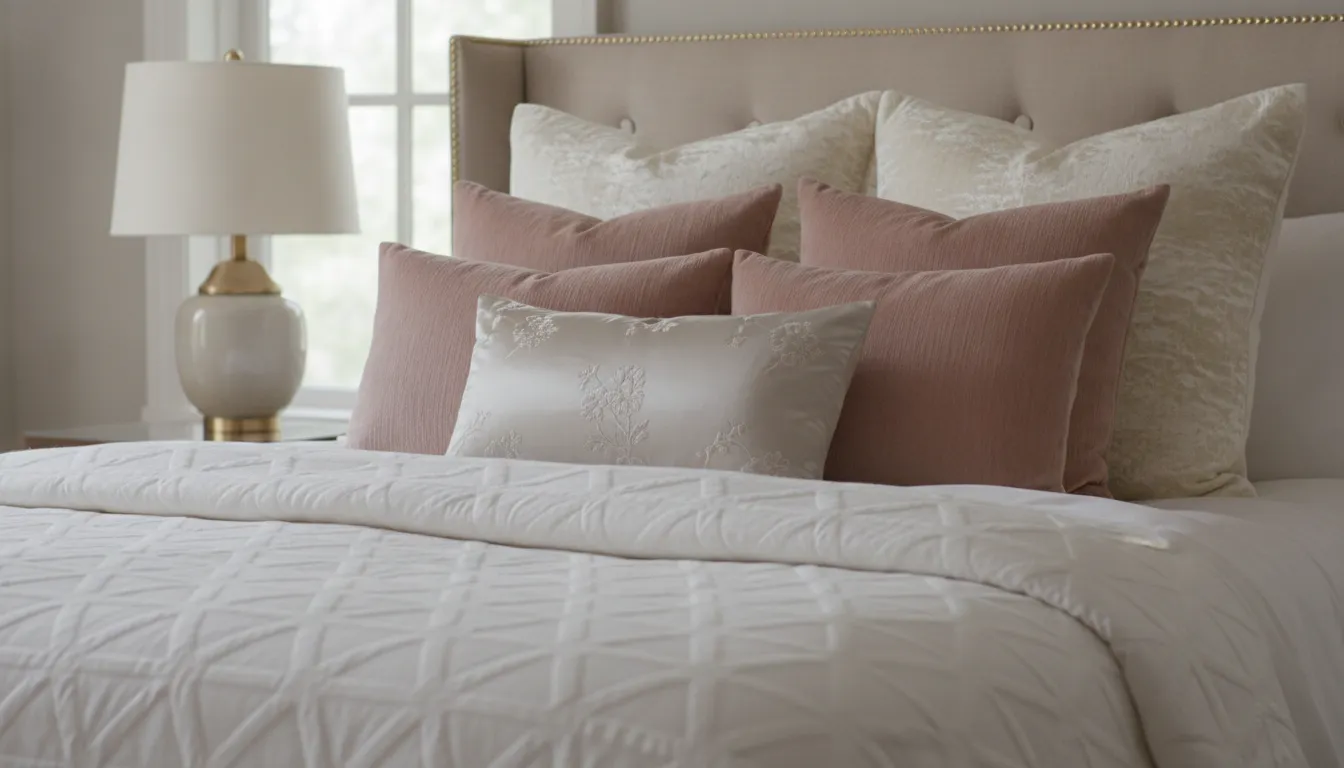
How to Layer Your Bed Like a Designer
A designer-quality bed is built in layers: start with smooth sheets, add the primary comforter or duvet for warmth. Fold a coverlet or quilt at the foot for dimension, arrange shams and decorative pillows from largest to smallest, and finish with a throw for texture. Adjust the layers by season to keep the bed comfortable and visually composed year-round.
A beautifully layered bed balances comfort, proportion, and tactile contrast. Begin with a practical foundation, then build toward the decorative pieces that give the room its distinctive character. The most successful arrangements also shift with the season, allowing the bed to feel inviting without looking overworked.
-
Start with a fitted sheet and flat sheet
Choose a smooth, well-finished sheet foundation that sits neatly beneath every subsequent layer. A fine cotton sheet keeps the bed comfortable through the night while establishing a polished base. Tuck the fitted sheet securely, then finish the flat sheet with a clean fold at the head or a relaxed turn-down at the foot. Depending on the mood of the room. Browse fine bed sheets for premium fabric options.
-
Add the primary comforter or duvet
Place the main warmth layer over the sheets, allowing it to fall evenly on both sides. A comforter creates a streamlined, finished look and can simplify bed-making. A duvet offers a more adaptable system, pairing an insert with a removable cover. When selecting an insert, a slightly fuller fit helps the top layer maintain an inviting, tailored appearance rather than collapsing flat.
-
Fold a coverlet or quilt at the foot
Introduce a lighter layer across the lower third of the bed. Fold a coverlet or quilt once or twice, depending on its weight, and place it where it can be drawn up on cooler evenings. This creates dimension without concealing the primary bedding. For more guidance on proportion and placement, see this quilted coverlet styling guide. A coverlet is especially useful when you want a decorative finish without adding substantial warmth. The guide to styling a quilted coverlet provides additional visual ideas. Learn more about why a coverlet is perfect for layering in this dedicated article.
-
Arrange shams and decorative pillows
Build the pillow arrangement from largest to smallest. Begin with sleeping pillows, then add shams and a considered selection of decorative pillows in varied shapes or textures. Rather than filling the entire headboard, leave enough visual space for the composition to breathe. Handcrafted upholstery fabrics and richly textured materials can provide the statement detail that transforms an otherwise restrained bedding palette. Browse the decorative pillow collection for finishing pieces.
-
Finish with a throw for texture
Drape a throw loosely across one corner or fold it at the foot for an effortless final layer. Knits, linen textures, and soft woven surfaces add tactile interest against smoother bedding. Keep the placement relaxed but intentional; a throw should suggest comfort, not make the bed appear untidy.
Adjust the layers by season
In summer, let a lightweight coverlet serve as the principal top layer. During winter, use a duvet for added warmth and fullness. Transitional seasons are ideal for a quilted coverlet over the sheets, with a duvet nearby for cooler nights. For a deeper understanding of how these pieces differ, consult this guide to the difference between a coverlet and a bedspread. The result should feel composed, luxurious, and easy to live with.
How to Choose Between a Comforter and a Duvet
Choose a comforter when you want a streamlined, single-piece bed that is simple to make and needs minimal decision-making about layers. Choose a duvet when you value a removable cover for easy washing, seasonal styling flexibility. And the ability to change the look of your bedroom without replacing the entire bedding investment.
The right choice depends less on terminology than on how you live, sleep, and want the room to feel. Both can create a beautifully finished bed, but they offer different levels of flexibility, maintenance, and visual structure.
Consider your climate and sleeping temperature
In a warm climate, a lightweight comforter can provide a polished layer without excessive insulation. A duvet can work equally well when paired with a breathable, lightweight insert and cover. The advantage of the duvet system is that you can change the insert as the season changes, rather than replacing the entire top layer. If you tend to sleep cold, a fuller insert offers more warmth, while a lighter option keeps the bed from feeling overly heavy.
Compare care, flexibility, and investment
A comforter is a single finished piece, often quilted or stitched to keep its filling in place, so it is straightforward to put on the bed. That simplicity is appealing when you prefer a streamlined routine. Because the entire piece is exposed, however, substantial comforters may require professional cleaning or more specialized care.
A duvet consists of an insert and a removable cover. The cover can typically be removed for laundering, making it easier to refresh the bed regularly. It also gives you more freedom to change the room's palette, texture, or mood without purchasing a new insert. Lili Alessandra duvet inserts are intentionally sized larger than their covers to create fullness and help prevent shifting. The brand uses Down Alternative in its inserts because it is hypoallergenic and a practical choice for people with allergies. Explore the luxury duvet collection for refined options in this format.
Budget also matters. A comforter is one primary purchase, while a duvet requires both an insert and a cover. The initial investment may be higher, but the interchangeable cover can extend the life of the overall bedding ensemble and make future style updates more economical.
Let the room's aesthetic guide you
From a designer's perspective, choose a comforter when the room calls for quiet continuity, a crisp silhouette, and fewer visible layers. Choose a duvet when you want dimension, softness, and the ability to evolve the scheme through fabric and color. A streamlined comforter can still feel richly layered when styled with handcrafted pillows, a textured throw, or fine sheets. For a broader view of coordinated options, browse the Lili Alessandra bedding collection. Looking for more accessible luxury? The outlet collection offers past-season and discontinued pieces at 40 to 60 percent off.
Shop the Lili Alessandra Bedding Collection
Frequently Asked Questions
Is it better to have a comforter or a duvet?
Choose a comforter for a streamlined, single-piece bed that is simple to make. Choose a duvet when you want a removable cover, flexible styling, and the ability to change the look of the room without replacing the insert. Your preferred care routine and layering style should guide the decision.
What is the main difference between a duvet and a comforter?
A comforter is a finished piece with fill secured by quilting or stitching, so it is designed to be used as-is. A duvet is a soft insert used inside a separate, removable cover. The two-piece duvet system makes seasonal changes and cover washing more convenient.
Can I use a regular comforter as a duvet?
Usually not. A regular comforter is not designed to sit securely inside a duvet cover and may lack the ties or loops needed to prevent shifting. For a polished fit, use an insert made for a duvet cover and fasten its corners according to the cover's construction.
Which is warmer, a comforter or a duvet?
Neither is automatically warmer. Warmth depends on the insulation, loft, materials, and construction of the specific piece. A duvet insert may feel especially warm because its loft fills the cover and creates a fuller layer. For allergy-sensitive sleepers, Lili Alessandra uses Down Alternative in its duvet inserts because it is hypoallergenic.
How can I make a comforter-only bed look layered?
Keep the comforter as the foundation, then add contrast through texture and proportion. Fold a lightweight coverlet or quilt at the foot of the bed, and finish with woven shams, linen pillows, or a knit throw. This creates visual depth while preserving the clean simplicity of a single comforter.
Ready to Shop Designer Bedding?
Bring your preferred layers together with refined textures, considered proportions, and a finish that feels distinctly your own. Shop Lili Alessandra designer bedding and duvet collections to explore pieces that help you complete the look with confidence.


