





Luxury Summer Bedding: A Refined Guide to Cooler, Layered Bedrooms
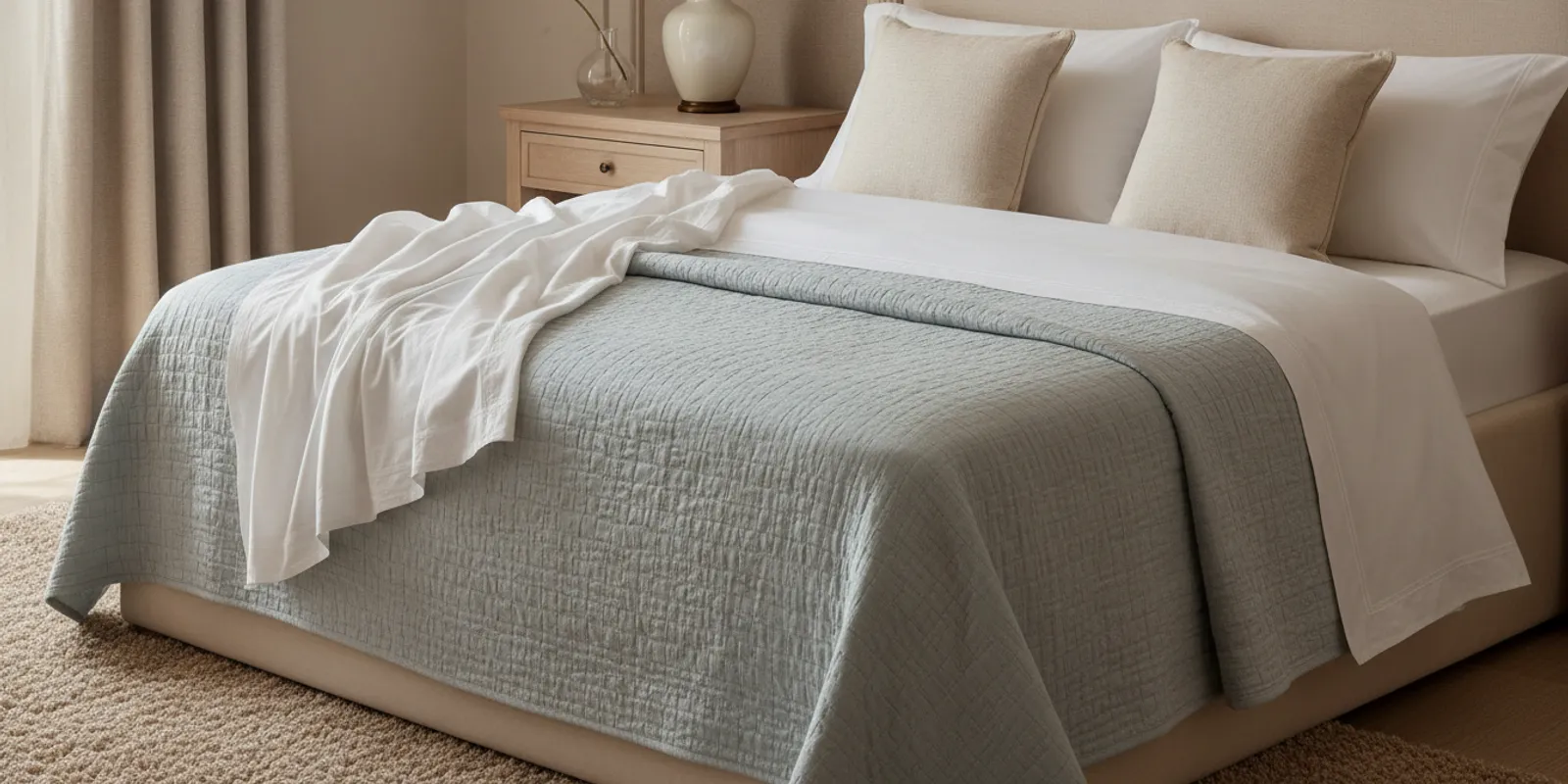
Luxury summer bedding should feel light, breathable and beautifully considered, not bare. The right combination of fine sheets, a lighter top layer and a few tactile accents can make a bedroom feel fresh through warm nights while preserving the polished character of a thoughtfully dressed bed. Start with the pieces closest to the skin, then build a flexible arrangement you can adjust as the temperature changes.
What makes bedding feel right for summer?
Summer comfort is a combination of fiber, weave, weight and personal preference. A breathable sheet can feel very different from a dense, heavy top layer, even when both are made from natural fibers. Consider how warm your room becomes, whether you sleep with air conditioning, and how much coverage you prefer. The goal is not to remove every layer. It is to make each layer purposeful and easy to move.
For a calm starting point, choose a sheet set in a comfortable fabric, keep a light coverlet within reach, and use a duvet only if you want extra softness or visual volume. A tailored decorative pillow or a folded throw can complete the composition without requiring a heavy arrangement across the whole bed.
Which fabrics and weaves suit warm-weather bedding?
There is no single best fabric for every sleeper. Think about hand feel, texture, care, and the way the material supports the room's style. Cotton sateen offers a smooth, softly luminous surface. Linen brings a more relaxed, textured character. Bamboo viscose can be an option for shoppers who prefer a soft, fluid feel. The finish and construction matter as much as the fiber name, so review product details before choosing. For a closer look at warm-weather options, read bamboo sheets for hot sleepers, compare Tencel and Egyptian cotton sheets, and explore this European linen bedding guide.
| Material or layer | Feel and appearance | Summer consideration |
|---|---|---|
| Cotton sateen sheets | Smooth with a subtle sheen | A polished foundation; choose the hand feel you enjoy against the skin. |
| Linen sheets | Textured and relaxed | Brings an airy, casual character to a composed bed. |
| Bamboo viscose sheets | Soft and fluid | Consider if you prefer a supple drape and smooth surface. |
| Quilted coverlet | Light visual texture and a finished surface | Useful as the main top layer when you want less bulk than a duvet. |
| Duvet and insert | Soft loft and a fuller silhouette | Keep available for cooler nights; use or remove according to room temperature. |
Browse the bed sheets collection for a polished foundation, or explore designer bedding collections when comparing complete looks. For a softer, more textured bed, pair your chosen sheets with a quilted coverlet in a restrained palette.
Care labels matter as much as the fabric description. The care method can affect how a textile feels and how well it holds its finish over time. Check fiber content, construction, and cleaning directions before ordering, particularly when combining pieces that will be laundered together. A sheet and a decorative pillow may sit on the same bed but have very different care needs.
How should you choose a summer coverlet?
A coverlet can be the central layer of summer bedding: visually complete, yet easy to fold down when you want less coverage. Consider its scale, surface and color alongside your sheets. Matelasse and quilting add dimension without relying on a tall stack of pillows. A coverlet in a restrained tone can make the bed feel finished while allowing a decorative pillow or headboard to provide the strongest accent.
Compare the proportions of the coverlet with your mattress and desired drop. If you want a closer, tailored finish, keep the top layer neatly tucked or folded. For a more relaxed presentation, let it fall naturally and fold the upper edge back to reveal the sheets. The coverlet collection offers a useful starting point for exploring different looks, while Aria White keeps the palette light and composed. For more terminology and proportion guidance, see What Is a Coverlet? and the guide to queen quilts and coverlets.
Think about how the bed will be used each day. A coverlet that is easy to fold back gives you options without requiring a complete reset each morning. If you share a bed with someone who prefers more coverage, place a folded light throw on one side or leave an additional layer at the foot. The layout can address different preferences while maintaining a composed appearance.
How can you layer a bed without adding unnecessary warmth?
Build the bed in a sequence that lets you remove or reposition pieces. Begin with sheets, add a coverlet as the primary visible layer, and place an optional duvet folded at the foot. Keep the decorative elements edited: two or three pillows in varying proportions often create more visual rhythm than a crowded row. A throw can rest at the foot for texture and be moved aside when it is not needed.
- Set the foundation. Choose sheets that feel comfortable and suit the room's palette. A clean white ground makes color and texture easy to adjust.
- Add one principal layer. Use a coverlet as the bed's main surface instead of stacking multiple thick pieces.
- Keep optional warmth separate. Fold a duvet or throw at the foot rather than covering the entire bed.
- Finish with measured accents. Use a few decorative pillows to add color, embroidery or velvet texture without making the sleeping area feel overfilled.
For a quiet, tonal scheme, layer white sheets with the White W/ White collection. If you want a cooler note, introduce the Alessandra Blue palette through a measured accent rather than making every layer compete. For additional layering ideas, read the bamboo sheets and coverlets buying guide and this bed sheet care guide.
Use the order of layers to keep styling practical. Smooth the sheets first, center the coverlet, then fold the upper edge back far enough to show the sheet finish. Add pillows last. This lets you assess the bed before adding accessories and makes it easier to stop once the composition feels balanced. If the bed looks too dense, remove one accent or expose more of the sheet rather than adding another layer.
What colors and details make a bedroom feel seasonally fresh?
Soft whites, pale blues, gentle greens and warm neutrals can give a bedroom a lighter visual register. You do not need a complete seasonal overhaul. Change the dominant surface, then echo its color in one or two accessories. A smooth sheet, textured coverlet and a single velvet or embroidered pillow can create contrast without making the bed feel visually heavy.
Texture is especially useful when the palette is restrained. A quilted surface gives a quiet pattern; linen adds a relaxed weave; a decorative pillow brings a richer finish. For a subtle blue accent, explore the Chloe Ice Blue collection or the Versailles Ice Blue collection. A pillow such as the Airy Seaglass King Pillow can offer a small, considered color note. For proportion and finishing ideas, browse this decorative pillow and sham guide, velvet accent pillow styling, and luxury velvet throw pillow ideas.
When you choose a palette, start with what is already fixed: wall color, flooring, headboard, and window treatments. A soft neutral or pale blue accent can bridge those elements without demanding a full room redesign. If the room already has a patterned rug or expressive drapery, let the bedding remain quieter. If the room is simple, a decorative pillow can bring in an intentional note of color or a handcrafted detail.
Scale helps the palette feel deliberate. A large coverlet creates the principal field of color, so keep the smaller accents related rather than identical. Repeat a hue in a pillow or throw, but vary texture or tone. This creates a connection among the pieces without making the bed look like a matched set. You can also use contrast sparingly: a soft blue accent against white, or a warm neutral against crisp sheets, gives the eye a place to rest.
How do you keep summer bedding practical and polished?
Choose layers that are easy to refresh and arrange. Follow the care instructions supplied with each textile, especially for decorative pieces. Many decorative pillows and throws use handcrafted or upholstery fabrics and are not machine washable; spot cleaning may be appropriate, but always check the individual care guidance first. Rotate a throw or accent pillow to change the look without replacing the entire bedding scheme.
Store the heavier layers clean and fully dry before putting them away. Keep a lightweight coverlet accessible for nights when you want more coverage, and fold extra layers neatly so they remain part of the room's composition. If a piece needs a specific cleaning method, use its label rather than assuming that all fabrics can be laundered alike.
Establish a simple seasonal routine rather than waiting until the room feels uncomfortable. Before placing heavier bedding into storage, inspect it for stains and follow its care label. Allow cleaned pieces to dry completely, then store them in a clean, dry space. Keep the pieces you expect to use within easy reach. A neatly folded duvet or throw at the foot of the bed can be put away on warmer nights and returned when the room cools.
For decorative textiles, treat surface care with particular attention. Avoid assuming that a velvet, embroidered, or embellished pillow can be washed like a sheet. Check the maker's guidance and use the recommended method. A small, prompt spot treatment may be appropriate for some pieces, but do not rub aggressively or apply a cleaning product without confirming it is suitable for the fabric. When unsure, seek professional textile care.
How can you create a luxury summer bedding scheme?
Begin with one clear design decision: a serene white foundation, a gentle blue accent, or a textured neutral. Then select a sheet, a principal coverlet and no more than a few finishing pieces. This keeps the bed visually resolved and makes it easier to adapt as the season shifts.
For example, pair cotton sateen sheets with a white quilted coverlet, then add a single pale-blue pillow and a light throw at the foot. Or choose linen sheets with a tonal coverlet and let the natural texture provide interest. If you prefer a more tailored look, keep colors close and use differences in sheen and quilting for depth. For a more expressive room, let one decorative accent carry the color while the rest remains quiet.
A second approach is to make the coverlet the focal point. Choose a textured or softly colored top layer, then keep sheets and pillows comparatively restrained. This is useful when the coverlet has a distinctive quilt pattern or when you want the bed to feel finished without a large number of accessories. A third option is a nearly monochromatic scheme: layer whites and warm neutrals, then rely on differences in surface, smooth sheets, quilted coverlet, and a tactile accent pillow, to create depth.
Interior designers sourcing for a client can use the same approach: confirm the desired bed coverage, establish a palette from the room's fixed finishes, and select materials with the client's care preferences in mind. Lili Alessandra's To The Trade Program is the pathway for professional trade buyers seeking program support.
Before finalizing a scheme, look at the whole room from the doorway and from the bed. Check that the dominant layer relates to the room's scale and that the pillows do not obscure the headboard or overwhelm the sleeping surface. In a guest room, leave a spare layer easy to find and keep the arrangement straightforward to remake. For a primary bedroom, a more expressive pillow or a nuanced color story can make the bed feel personal while retaining a calm foundation.
Designers can also make a small material board before ordering. Place swatches or product images beside the headboard and drapery, then compare the colors in both daylight and evening light. A shade that looks cool in a bright showroom may read warmer beside wood or under a bedside lamp. Checking the materials together helps prevent a seasonal accent from feeling disconnected from the permanent furnishings.
How can you choose among sheets, coverlets, and optional layers?
Think of each piece as having a separate role: sheets provide the closest-to-skin surface, a coverlet defines the bed's visual finish, and a duvet or throw supplies optional coverage. When every layer has a clear function, you can reduce bulk without making the bed seem unfinished. This also helps when comparing products online, because you can decide what the room needs before choosing a color or decorative detail.
Start with your warmest typical night rather than the season's average. Ask whether you want only a sheet, a sheet with a coverlet, or additional coverage at the foot. If the room temperature varies, prioritize pieces that can be folded or removed quickly. The answer may differ between a primary bedroom with climate control and a guest room where visitors have different preferences.
For shoppers comparing collections, examine the product details in a consistent order: fiber content, construction, dimensions, care instructions, and the intended visual role. For general guidance on indoor humidity and comfort, the U.S. Environmental Protection Agency discusses moisture control and ventilation in homes; those broader home conditions may also influence how a bedroom feels: EPA guidance on moisture and indoor environments. Bedding choice remains personal, so use the room's actual feel rather than treating any single material as a guaranteed cooling solution. For sheets, consider the feel and the finish you want against the skin. For a coverlet, consider the weight, texture, and mattress coverage. For decorative accents, consider how the color and scale relate to the room and whether the care requirements suit your routine.
The table below offers a quick decision path. It is not a ranking of materials; it is a way to match a piece to the job you want it to do.
| Need | Start with | Then consider |
|---|---|---|
| A smooth, polished foundation | Cotton sateen sheets | Keep the top layer light and let the sheen provide quiet refinement. |
| A relaxed, textured foundation | Linen sheets | Pair with a tonal coverlet so texture, not pattern, leads. |
| A finished bed without a full duvet | Quilted coverlet | Check the dimensions and desired mattress drop before choosing. |
| Flexible extra coverage | Folded duvet or throw | Leave it at the foot for cooler evenings and remove it when not needed. |
After choosing the functional pieces, refine the visual details. Select one main color, one supporting neutral, and one accent if the room needs it. That limit is not a rule about taste; it is a practical way to keep a summer arrangement from becoming visually crowded. You can still introduce a luxurious finish through texture, quilting, embroidery, or velvet without adding a new color to every layer.
Connect with a Lili Alessandra Design Advisor
Frequently Asked Questions
Is a coverlet enough for summer?
It may be, depending on your room temperature and personal preference. A coverlet can provide a finished bed surface with less bulk than a duvet arrangement. Keep an additional light layer nearby if you want flexibility.
Should I put away my duvet in summer?
Not necessarily. You can fold it at the foot of the bed or remove it on warmer nights. Room temperature, air conditioning and individual comfort all affect how much coverage feels right.
Are linen or cotton sateen sheets better for summer?
Neither is universally best. Linen has a more textured, relaxed character, while cotton sateen feels smoother and has a subtle sheen. Choose based on the surface and appearance you prefer, and review the product's care and material details.
How many decorative pillows should I use?
Use enough to complete the design without crowding the sleeping area. A small group in complementary sizes, colors or textures can add polish; there is no fixed number that suits every bed.
With breathable-feeling sheets, a considered coverlet and a few expressive details, your summer bed can feel both restful and beautifully composed.


