





Are Luxury Sheets Worth It? A Designer's Guide to Value and Comfort
Are luxury sheets worth it? They can be, when the fabric, finish, feel, and care requirements suit the way you sleep and the look you want for your bedroom. Price alone does not guarantee comfort or longevity. A considered choice starts with understanding the material and construction, then deciding which qualities matter enough to justify the investment.
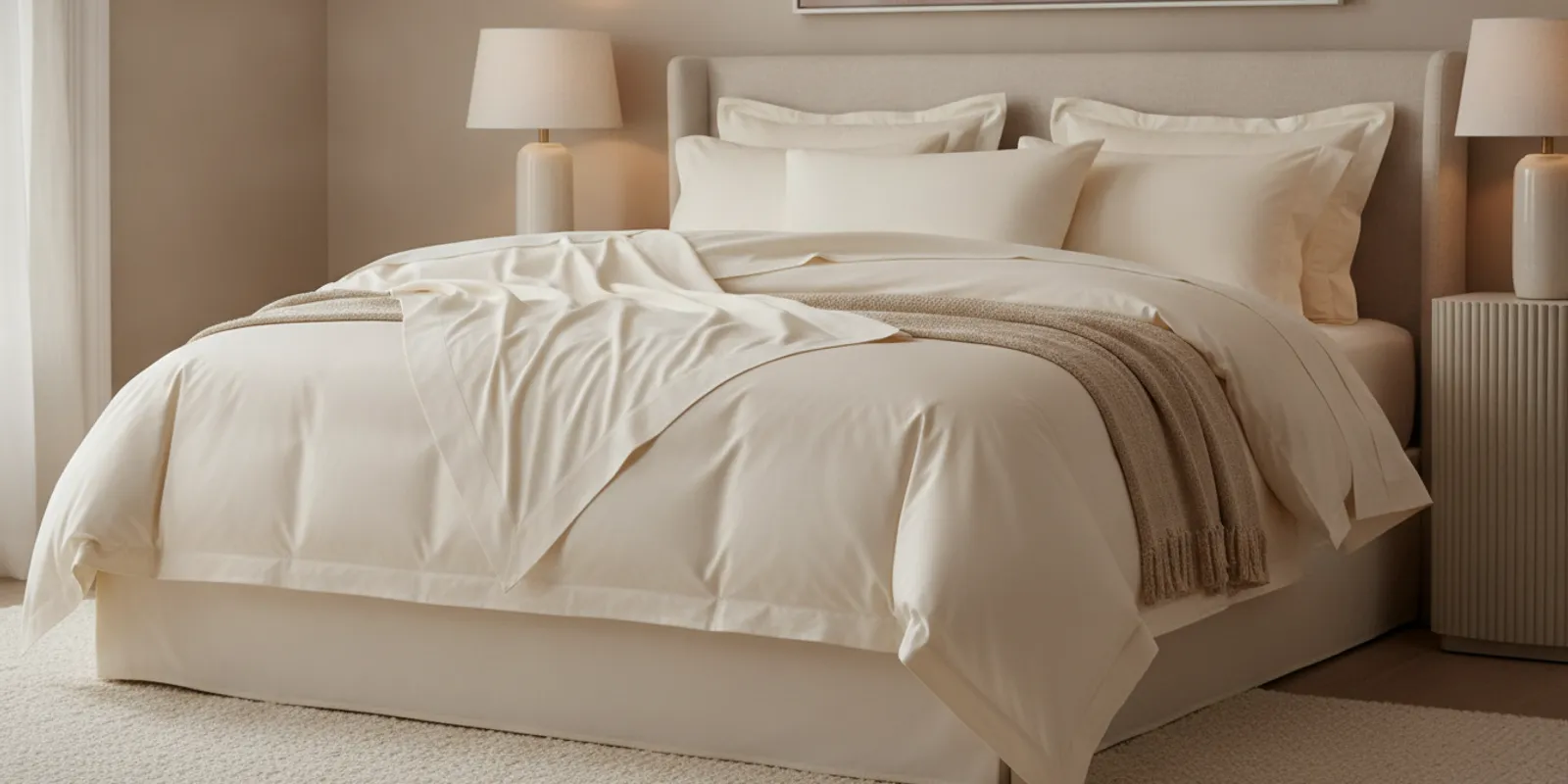
What does “luxury sheets” mean in practice?
Luxury is not a single fiber, thread-count number, or finish. It describes a combination of material quality, thoughtful construction, a pleasing hand, and a finish that complements the bedroom. One sleeper may value the crisp character of percale; another may prefer the smooth, luminous feel of cotton sateen. There is no universally best choice.
Look beyond packaging language. Identify the fiber, weave, and care instructions. Check whether the set includes the pieces you need and whether sizing suits your mattress and preferred tuck. A beautiful sheet that feels wrong against your skin or is difficult to maintain is not a good investment for you. For a first comparison, browse the Fiji Bed Sheets and note the specific details supplied for that collection rather than assuming all premium sheets share the same properties.
Which qualities make a sheet feel worth the price?
Fiber and weave
Start with the fiber. Cotton is a familiar choice, while bamboo viscose and linen offer different textures and qualities. Even within cotton, weave matters: sateen typically feels smooth with a subtle sheen, while percale is known for a crisper hand. Touch and personal preference matter more than assuming one construction is superior.
Compare materials with your own habits in mind. Do you like a smooth surface when you first get into bed, or a crisp, matte hand? Do you prefer the visual ease of a simple sheet or the interest of a more textured bed? These are useful questions because the sensory difference is something you can assess directly. An expensive set cannot compensate for choosing a finish you do not enjoy.
Sheets also sit within a larger composition. Consider how their surface looks beside a textured coverlet or velvet accent. Explore the coverlet collection or a velvet bedding accent to think about how a quiet foundation and expressive finishing layer can work together.
Construction and finishing
Seams, hems, elastic, and overall finishing affect how sheets sit on the bed and how they feel in use. Look for clear product details rather than relying on a single headline specification. A well-finished sheet should fit the intended mattress dimensions and feel comfortable after laundering according to its care label.
Thread count can be one piece of information, but it does not tell the whole story. Fiber quality, yarn, weave, and finishing influence the hand of the fabric. Treat a number as context, not as a complete measure of comfort or value. Check the wording of any product claim and compare descriptions on a like-for-like basis. If a detail is absent, do not fill the gap with assumptions; use the published specifications or ask the retailer to clarify before ordering.
How should you compare sheet options?
Use your priorities to make a practical comparison. Product descriptions vary, so check the details for each specific set rather than assuming every material behaves the same way. The table below is a starting point, not a substitute for the maker’s specifications.
Swipe horizontally to compare all three columns.
| Option or consideration | What to look for | Best question to ask |
|---|---|---|
| Cotton sateen | Smooth hand and a subtle sheen | Do I prefer a polished, smooth surface? |
| Percale weave | Crisp feel and a more matte appearance | Do I like a crisp hand and understated look? |
| Linen | Distinctive texture and a relaxed appearance | Do I welcome a more textured finish? |
| Bamboo viscose | A different drape and hand from cotton | Does this fiber and its care guidance suit me? |
| Fit and finish | Dimensions, laundering instructions, and construction details | Will this set work with my mattress and routine? |
When comparing two sets, make a short list of the attributes that matter most. For example, a person who values an elegant sheen may prioritize sateen and a tailored appearance. Someone who prefers a crisp, simple bed may favor percale. A household that wants minimal upkeep should give care requirements more weight than decorative language. The useful comparison is not “Which is objectively best?” but “Which one fits the way I will use it?”
Also compare what is included. A set may differ from another in the number of pillowcases, the presence of a flat sheet, or the size options. Make sure the price comparison includes equivalent pieces. Check mattress height, any topper, and the amount of tuck you prefer; a mismatch can undermine the experience even when the fabric itself is appealing.
When can luxury sheets be a worthwhile investment?
They may be worth considering if you value a particular feel, a refined finish, or a coordinated bedroom and expect to use the sheets regularly. Frequent contact makes personal comfort especially important. Choose for the sensation and fit you genuinely enjoy, not simply for a prestige label or a claim that a sheet will last indefinitely.
Value also depends on use and care. Following the maker’s laundering instructions, rotating between sets, and storing linens clean and dry can help you care for them appropriately. No textile is immune to wear, and durability depends on the specific fabric, construction, use, and maintenance. Read the care guidance before purchase, especially if your routine relies on a particular wash or drying method. A set that requires care you cannot realistically provide may not be the right value, no matter how attractive it looks.
Luxury sheets may be less compelling if you do not notice a meaningful difference in feel, prefer a low-maintenance option, or would rather direct your bedroom budget toward a statement coverlet, duvet, or decorative pillows. A layered scheme can be built around the pieces you value most. Pair simple sheets with a distinctive velvet accent or tailored designer bed skirt, for instance.
How can you judge cost per use without guessing?
There is no reliable universal number of years that every luxury sheet set will last. Instead, compare the purchase price with how often you expect to use the set and whether its comfort remains appealing. A simple personal calculation can help:
- Write down the price of the set you are considering.
- Estimate how many nights you might use it in a typical year, based on your rotation.
- Choose a time period for your own comparison, without assuming the sheets will last that long.
- Divide the price by the estimated number of uses in that period.
This is a planning aid, not a durability promise. It helps you compare your options on your own terms, but it cannot predict wear or resale value. Compare like with like: include the same sheet components, similar fabric types, and comparable fit requirements. If the more expensive option feels noticeably better to you and fits your care habits, the added expense may make sense. If not, a less costly set may be the wiser choice.
You can also test the assumption behind your estimate. If you are buying a second or third set, consider whether it will enter regular rotation or remain in the linen closet. If the set is intended for a guest room, think about how often that room is used and whether the fabric is appropriate for your care routine. This keeps the decision grounded in expected use rather than an abstract promise of “investment quality.”
What should you check before buying?
- Fiber: Confirm the stated material and whether it matches your preferences.
- Weave and hand: Decide whether you want smooth, crisp, or textured fabric.
- Dimensions: Check mattress measurements and any stated depth or fit details.
- Set contents: Confirm which sheet and pillowcase pieces are included.
- Care: Read the label or product guidance before purchase.
- Coordination: Consider how the sheets work with your duvet, coverlet, and pillows.
- Return details: Review current store policies before ordering.
A cohesive bed does not require every layer to have the same visual weight. A quiet sheet can create a calm foundation for a quilted coverlet, sculptural pillows, or a soft throw. Explore the Bella cotton bedding collection, Casablanca White, or the White W/ White collection for different ways to build a layered palette.
For a more deliberate evaluation, consider these steps in order. First, note the mattress size and depth, including any topper. Second, decide whether you prefer crisp, smooth, or textured fabric. Third, check the exact set contents and care instructions. Fourth, compare the options that meet those needs, not every product on the market. Finally, ask whether the difference you notice is important enough to justify the price difference. This sequence prevents attractive styling or a large thread-count figure from distracting you from practical fit and feel.
How do sheets fit into a finished bedroom?
Sheets are only one part of the bed’s visual and tactile experience. Think of them as the foundation: they can be quiet and understated while the top layers bring color, pattern, and dimension. If the room already has a strong headboard or patterned drapery, a restrained sheet choice may help the overall scheme feel balanced. In a calmer room, texture in the coverlet or pillows can add depth without requiring a dramatic sheet.
Consider the order in which you see and use each layer. The sheet is closest to the body, so comfort deserves priority. A coverlet is more visible when the bed is made and can provide a tailored finish. Pillows and a throw can introduce smaller accents. If you like a polished, coordinated look, choose colors that relate across those pieces rather than insisting every textile match exactly. The St. Tropez collection or a Lima Luxe throw can help illustrate how a finishing layer can sit beside simpler linens.
For a designer or homeowner sourcing for a complete room, the decision may involve more than one sleeper’s preference. Take into account the room’s palette, bedding layers, and the practical needs of the household. Use a material sample or product details when available, and avoid committing to a large scheme based only on a photograph. A sheet that supports the design quietly can be as valuable as a dramatic statement textile.
How can you evaluate a sheet set before committing?
Whenever possible, slow down the decision and evaluate the set as a textile rather than as a styled photograph. Product imagery can communicate color and mood, but it cannot tell you how a fabric feels against your skin, how it drapes, or how it responds to laundering. Read the material description closely, look for care guidance, and make a note of any details that are not stated. If you are considering a specific construction, such as cotton sateen, confirm that the product description actually identifies it. Avoid treating a color name or collection title as proof of fiber content.
Think about your first week of use, not only the first impression on the store page. How will the sheets feel when you get into bed? Will you make the bed every morning, or do you prefer a softer, more relaxed presentation? Are you comfortable following the stated wash and drying instructions? A crisp sheet can suit someone who likes a neat, tailored bed, while a softer drape may better suit a relaxed look. Neither preference is inherently more luxurious; matching the textile to your everyday routine is what makes the purchase feel considered.
It may help to create a simple comparison card for each finalist. Record the stated fiber, weave if specified, set contents, size, care instructions, color, and price. Add a note about what you expect to enjoy most and what gives you pause. For instance, one option may have the smoother appearance you want but require more careful laundering. Another may be easier to incorporate into your current bedding but less distinctive in hand. Writing the trade-offs down makes the choice clearer than switching between product tabs and relying on memory.
What can a retailer’s product details tell you?
Good product information helps you make a grounded decision. Look for the fiber composition, dimensions, pieces included, and care recommendations. If thread count is listed, interpret it alongside the fiber and weave rather than as a stand-alone quality score. If the description leaves a practical question unanswered, contact the retailer before ordering instead of assuming. The U.S. Federal Trade Commission’s guide to textile and wool labeling requirements explains fiber-content disclosure and related labeling information. Such labeling can help establish what a textile contains, but it cannot tell you whether its hand or appearance will suit your personal taste.
Also review the current return policy before purchase, especially if you have not experienced that fabric type before. Policies can differ, and product care or packaging conditions may affect whether a return is possible. Do not assume that a premium purchase comes with a particular trial period or return privilege. Treat those terms as part of the decision, just like sizing and set contents.
How do mattress fit and bed styling affect value?
A refined sheet set should work with the actual bed, not just the standard size printed on the package. Measure the mattress length, width, and depth, including any topper or pad that stays in place. Compare those measurements with the product’s stated dimensions and pocket information. If you use a thick topper, a fitted sheet designed for a shallower mattress may pull loose at the corners. If you prefer a generous tuck, consider whether the flat sheet dimensions provide enough fabric for your bed-making style.
Think through common moments of use. If you move often in your sleep, a fitted sheet that stays secure matters. If you use a mattress protector, include its thickness when checking fit. If you have an adjustable bed, confirm that the fitted sheet’s dimensions and construction are suitable for your setup; do not assume every standard set will behave the same way. These practical checks can prevent a beautiful textile from becoming frustrating after it arrives.
Set contents also affect the real comparison. One set might include pillowcases that another sells separately, or a flat sheet may be absent. Compare the total cost of the pieces you need, rather than placing two headline prices side by side. Make sure pillowcase dimensions suit your pillows and preferred styling. If you use decorative shams or layered pillows, the sheet set does not need to provide every finishing piece, but you should know what is included before deciding that one option represents better value.
Visual coordination is another part of the equation, but it should follow comfort. Start with the sheet color and surface, then consider how they relate to the duvet, coverlet, bed skirt, and pillows. A quiet sheet can balance a richly detailed quilted layer; a clean white foundation can make velvet or embroidered accents feel intentional rather than crowded. Explore Versailles Ice Blue or the Chloe Ice Blue collection for examples of color and texture that can inform a layered bedroom palette. Choose pieces that relate without requiring an exact match.
How should you think about durability and care?
Durability is not a promise that can be inferred from a luxury label alone. It depends on the exact fiber, yarn, weave, finishing, frequency of use, laundering, and how the sheets are stored. Two sets with similar descriptions may behave differently in a household’s routine. Rather than assuming a particular lifespan, think about the conditions the sheets will face and whether the care instructions are realistic for you.
Before buying, check whether the recommended routine fits your laundry habits. Consider whether you typically use a hot or cool wash, whether you rely on a dryer, and whether you can separate delicate items when needed. Follow the instructions for the specific textile; general habits that work for one set may not be appropriate for another. Avoid using an aggressive process simply to save time if the maker recommends a gentler method. Care is not an afterthought: it is part of the ownership cost and effort.
Rotation can help distribute use across more than one set, but it does not make any textile immune to wear. Keep sheets clean and dry before putting them away, and avoid storing them where moisture could collect. When laundering, make sure the set is fully dry before folding and storing. If a sheet develops a stain or a loose seam, consult the product guidance before trying a treatment or repair that could affect the fabric. These steps are sensible habits, not guarantees of a fixed number of years.
For a guest room used only occasionally, the best choice may differ from the one you make for your own bed. A guest set may be used less often, but ease of care and reliable fit still matter. For a primary bedroom, frequent contact makes your preferred hand and laundering routine especially important. For a room designed for a client, a designer may need to balance the homeowner’s comfort with the desired palette and how the layers will be maintained. The value question changes with the role the set will play.
How can a luxury sheet purchase fit a bedroom budget?
A sheet set is one possible investment among several competing bedroom priorities. If you are furnishing a room from the beginning, decide which pieces have the most daily impact. The sheet is closest to the body, while a coverlet or duvet often makes a stronger visual statement when the bed is made. Some shoppers may prefer to prioritize tactile comfort; others may direct more of the budget to a distinctive top layer or decorative pillows. There is no single correct allocation.
Try comparing scenarios instead of treating a luxury set as an all-or-nothing purchase. In one scenario, you might choose a more expressive sheet and keep the top layers simple. In another, you might select an understated sheet and invest in a statement coverlet, textured throw, or carefully chosen pillows. A Chloe Fawn bedding accent or a Mondo Grey Luxe throw can illustrate how a finishing layer changes the character of a bed without requiring every component to be equally elaborate.
For an interior designer specifying a client room, create a short list of the required functions before selecting the decorative direction. Confirm bed size and mattress details, identify the client’s favored surface feel, and ask how much laundry care they are prepared to handle. Then choose a palette and layer plan that works with those requirements. If the project includes several beds, use the same questions for each room rather than assuming one fabric choice will serve every sleeper. The most coherent scheme is one that can be lived with as well as photographed.
When a purchase is a stretch, wait until you can compare the actual product specifications and the complete set price. Do not let a dramatic presentation or an urgent-sounding promotion replace basic checks. Look at the return terms, confirm dimensions, and decide whether the difference in touch or finish is meaningful to you. If it is not, a less expensive option that meets your practical needs can be the more thoughtful choice. Luxury should describe a satisfying experience, not pressure to spend beyond your priorities.
Are luxury sheets worth it for every bedroom?
No single sheet is right for every sleeper or room. The decision turns on the details that matter to you: fabric feel, fit, finish, care, and how the linens contribute to the bedroom as a whole. Focus on a specific set’s materials and product information, then decide whether its qualities justify its price in your own routine.
For a broader look at how sheets relate to the rest of a bed, consider a St. Tropez bedding accent, a soft white coverlet, or an expressive Airy Seaglass king pillow. A finishing layer such as a Lima Luxe throw can add texture without making the sheet choice carry the whole design.
Frequently Asked Questions
Are expensive sheets always better?
No. Price is not a substitute for checking the fiber, weave, finishing, fit, and care guidance. The better choice is the one whose feel and construction suit your preferences and budget.
Is thread count the most important factor?
No. Thread count alone does not describe the full experience of a sheet. Consider it alongside the fiber, yarn, weave, finishing, and the specific product details.
Should I choose cotton sateen or percale?
Choose by feel and appearance. Sateen tends to be smoother and subtly lustrous; percale tends to feel crisper and look more matte. Product construction varies, so check the item description.
How can I help my sheets stay in good condition?
Follow the care instructions supplied for the specific set, avoid care methods that the maker does not recommend, and store clean linens in a dry place. Rotate sets if you have more than one.
Can premium sheets elevate a bedroom even if the rest is simple?
Yes. A beautiful sheet can contribute to the overall look and feel, while a simple foundation leaves room for a statement coverlet, pillows, or a throw. The right balance depends on your style.
Connect with a Lili Alessandra Design Advisor
Luxury sheets are worth considering when their materials, construction, and feel bring you lasting pleasure in the bedroom; choose with care, and let your own comfort guide the investment.


