





Eco Friendly Luxury Bath Towels: A Green Spa Guide
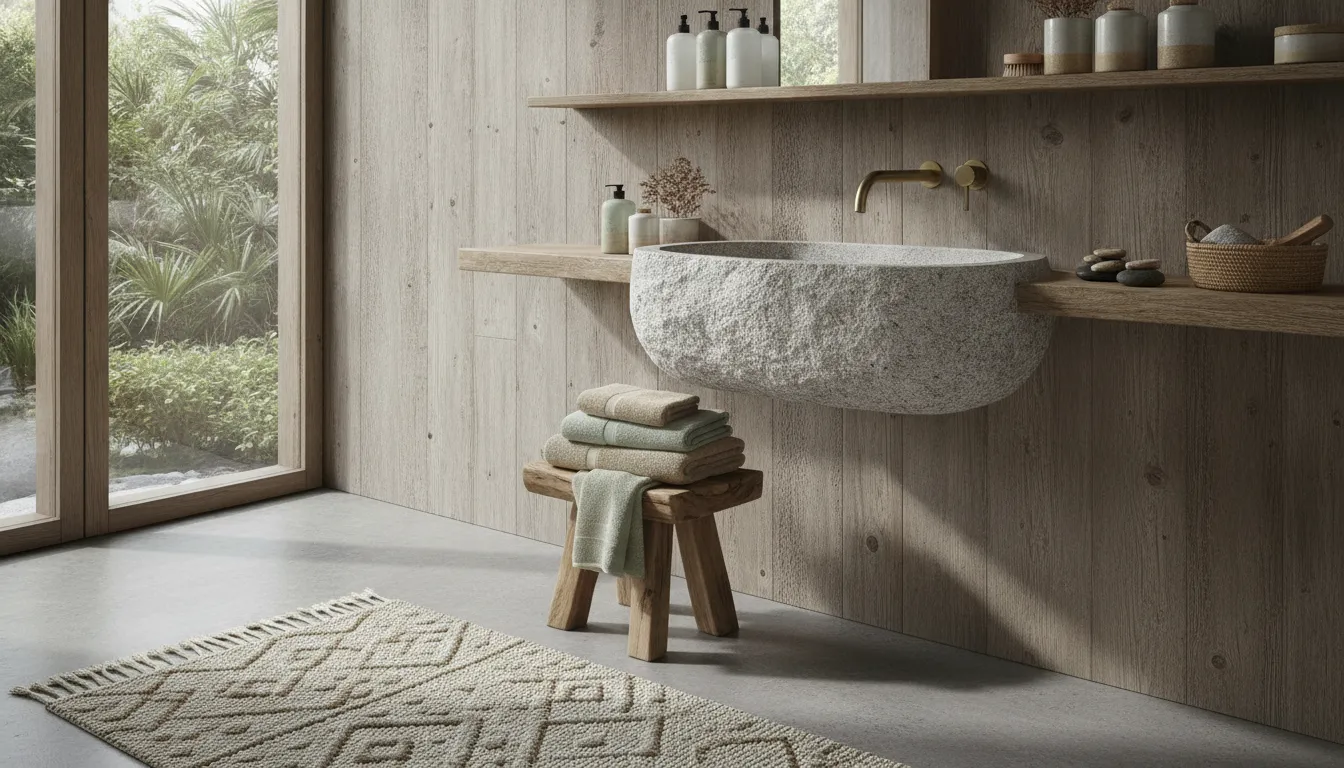
The most considered bath towel is not chosen for softness alone. It brings together responsible material choices, lasting performance, and a finish that makes an everyday ritual feel beautifully resolved.
Eco friendly luxury bath towels balance thoughtfully sourced fibers, absorbency, durability, and tactile refinement. Look for documented material or certification details, then compare weight, weave, and care requirements rather than assuming a premium appearance tells the whole story.
That balance is especially important when shaping an eco-conscious spa bathroom. The right linens should feel plush and elegant while working naturally with the room's palette, textures, and daily routines.
What Makes Bath Towels Eco-Friendly and Luxurious?
The most considered bath towels bring together responsible material choices and an exceptional daily experience. Eco-conscious design begins with fiber provenance, then extends through the way a towel feels, absorbs water, holds its shape, and remains beautiful over time. Luxury is not separate from sustainability. When a textile is chosen for quality and longevity, it can become a more thoughtful investment than a disposable basic.
Start by asking where the fiber comes from and how confidently that information is documented. Organic cotton is one material shoppers may investigate because research comparing cultivation methods reports reduced use of synthetic pesticides and fertilizers in organic cotton production. A broader life-cycle comparison is still important, since the environmental profile of any textile depends on cultivation, processing, manufacturing, use, and eventual disposal. In other words, a natural fiber is not automatically the best choice in every context. Look for clear information rather than relying on a green-sounding label.
Organic cotton is often valued for softness, breathability, and absorbency. These qualities suit bath linens well. As with any material, review the full fiber and processing story before making a sustainability judgment. Those qualities matter because an eco-conscious purchase should still feel generous against the skin. A towel that absorbs efficiently and remains inviting after repeated use is more likely to earn a permanent place in the bathroom.
Performance is part of responsible luxury
Fiber selection is only the beginning. Construction influences whether a towel feels plush or lightweight, dries comfortably, and supports repeated use. Examine the density, pile, yarn quality, and finishing details, while paying attention to the hand-feel rather than choosing by a sustainability claim alone. Long-lasting performance is especially valuable for investment-minded shoppers because durability can reduce the need for frequent replacement.
Finish gives the towel its visual and sensory character. Refined texture, balanced proportions, and carefully considered color can make an everyday bath ritual feel composed rather than ordinary. Lili Alessandra approaches luxury linens through varied textures, premium fabrics, handcrafted quality, and details such as hand embroidery. That design-led perspective makes the eco friendly luxury bath towels collection a natural place to explore a more elevated interpretation of the eco-conscious bathroom.
For a broader explanation of softness, absorbency, and construction, compare these principles with the guidance in the guide to the best luxury bath towels. The distinction here is intentional: a beautiful towel should perform well, but its material story and expected longevity deserve equal consideration.
Are Recycled-Yarn Towels as Soft and Absorbent?
They can be, but recycled content alone does not determine how a towel feels or performs. Recycled yarn may offer a material-level sustainability benefit by diverting textile waste from landfills and using less energy than producing virgin fiber, according to research published by Coyuchi. Those potential advantages are meaningful for shoppers building a more considered linen collection. But they should not be treated as a guarantee of softness, absorbency, or overall environmental impact.
The tactile experience begins with the fiber itself. Fiber length affects how smoothly and securely the yarn can be spun. Long-staple fibers are commonly valued in luxury towels because they can create a smoother, stronger yarn that is less prone to pilling over time. That matters when a towel is washed frequently and expected to retain its refined hand feel. The source of the fiber is only one part of that equation. Ask how the recycled material was processed and what other fibers are present, rather than assuming that the word recycled describes the complete construction.
What creates a soft, absorbent hand feel?
Yarn twist also plays a central role. Low-twist yarns can expose more surface area, which may enhance both softness and absorbency. A towel's pile, or the loops that create its raised surface, contributes to the way it meets the skin and takes up moisture. The weave and finishing process then shape the final balance of plushness, drying behavior, and resilience. Two towels with similar sustainability language can therefore feel distinctly different in the hand.
When assessing eco friendly luxury bath towels, look beyond the label. Run your hand over the pile, examine whether the loops feel even and substantial, and consider whether the towel suits your preferred drying experience. A deeply plush towel may create a more enveloping ritual, while a lighter construction may feel more effortless between uses. If you are comparing finishing details, proportion, and everyday performance, the guide to hotel-quality towels offers a useful luxury benchmark.
The most credible choice is one that combines documented material information with a construction that feels durable and inviting. Recycled yarn can be part of that decision, especially when its provenance is clear. It should complement, not replace, attention to fiber length, pile, twist, weave, and finish.
How Should You Choose Eco Friendly Luxury Bath Towels by Weight?
Weight is useful when comparing towels, but it is not the whole experience. GSM, or grams per square meter, measures the density and weight of a towel. In general, a higher GSM can indicate a denser, more absorbent towel with a plush hand-feel. It can also mean a longer drying time, especially in a humid bathroom.
Some luxury towel guides use 600 to 900 GSM as a general reference for high-density, spa-like towels. That range is a competitor guideline, not a Lili Alessandra product specification. Treat it as a starting point, then compare the actual hand-feel, construction, care guidance, and drying conditions before choosing. A towel that feels substantial in a showroom may not be the most practical option for a busy household.
| Towel choice | Hand-feel | Absorbency and drying tradeoff | Best suited to |
|---|---|---|---|
| Lighter | Flexible and airy | Dries more quickly, with a less enveloping feel | Frequent washing, travel, or bathrooms with limited ventilation |
| Midweight | Balanced and comfortably soft | Combines reliable absorbency with manageable drying | Everyday use in a well-ventilated home |
| Plush | Dense, cushioned, and spa-like | Offers a more luxurious absorbent feel but needs more time and airflow to dry | Primary suites, guest bathrooms, and considered spa-style spaces |
Construction also shapes performance. Long-staple fibers can create smoother, stronger yarns that resist pilling, while low-twist yarns can increase surface area for softness and absorbency. These details matter because two towels with a similar stated weight can feel noticeably different. Review the maker's material and construction information rather than relying on GSM alone. For a design-led starting point, explore Lili Alessandra's luxury bath collection.
Finally, plan for the room where the towel will live. Air drying thoroughly after use helps manage moisture and maintain fiber integrity. Adequate bathroom ventilation is equally important. Even the most refined towel will feel less fresh if it remains damp between uses. The best choice balances tactile comfort, absorbency, laundry habits, and the practical drying conditions of your home.
Which Certifications and Care Details Matter?
Certification language can help you investigate a textile, but it should never replace careful attention to the specific product. For eco friendly luxury bath towels, ask which fiber was certified, which processing stages were covered. And whether the claim applies to the towel itself rather than to a broader brand collection.
What GOTS and OEKO-TEX Standard 100 Can Tell You
The Global Organic Textile Standard (GOTS) addresses organic fibers along with ecological and social criteria throughout textile processing. That makes it relevant when you want to evaluate both the organic-fiber claim and the responsibility standards applied during production. GOTS documentation should be specific to the product or supply chain being represented.
OEKO-TEX Standard 100 serves a different purpose. It tests textiles for harmful substances, offering information about the textile's safety profile for human use. It does not, by itself, establish that a towel is organic, recycled, or produced under every environmental and social standard you may value.
These certifications answer different questions. GOTS can help document organic-fiber processing and ecological and social criteria. OEKO-TEX Standard 100 can help document testing for harmful substances. Neither should be treated as an automatic certification of every Lili Alessandra product. Look for product-level evidence, and contact the brand when the listing leaves the scope unclear.
A Care Routine for Premium Bath Linens
Thoughtful care supports the longevity that makes a luxury textile a considered purchase. It also helps preserve the hand feel and absorbency you selected. Use the product label as the final authority, especially when a towel includes a distinctive finish or construction.
- Choose a gentle detergent. A mild, eco-conscious detergent can help avoid unnecessarily harsh treatment of natural or recycled fibers.
- Skip fabric softener. Softener can coat towel fibers with a film that reduces absorbency, so it is better omitted from the routine.
- Dry thoroughly. Allow the towel to dry fully after laundering and after use. Thorough drying helps limit moisture buildup and supports fiber integrity.
- Maintain ventilation. Keep air moving in the bathroom so moisture does not linger around premium linens. Ventilation helps protect their quality and hygiene.
- Follow the product label. Use the care instructions supplied with the individual towel. Do not assume that one laundering method suits every fiber, finish, or construction.
When certification details are precise and care instructions are followed consistently. Sustainability becomes part of a longer, more satisfying relationship with the textile rather than a vague marketing promise.
How Do You Create an Eco-Conscious Spa Bathroom?
Begin with the feeling you want the room to hold: quiet, tactile, and considered rather than overly decorated. An eco-conscious spa bathroom is not defined by a single material or a fashionable label. It comes together through durable choices, thoughtful maintenance, and a restrained visual language that lets texture do the work.
1. Build the linen foundation as a coordinated set
Start with bath towels, hand towels, and washcloths in a cohesive finish. A complete set creates the polished, designer effect of a private spa while avoiding a collection of unrelated textiles that may be replaced piecemeal. Explore Lili Alessandra's Eco Chic Bath Linens when shopping for eco friendly luxury bath towels, then compare the broader selection in the Luxury Bath collection.
Choose the hand feel first, and then establish a measured palette. Plush white can feel timeless, but muted clay, sand, stone, moss, and warm taupe create a more layered atmosphere. Earth tones bring calm without making the bathroom feel rustic. They also give natural textures a sophisticated setting.
2. Layer natural texture without visual noise
Let the towels remain the softest, most inviting element. Balance them with stone, pale wood, woven storage, or a quietly grained stool. A thick textile beside a honed surface creates contrast; too many competing patterns diminish the sense of retreat. Lili Alessandra's Bedding collection and its emphasis on curated textures can offer useful inspiration for composing tonal layers beyond the bath.
For a broader perspective on material quality and tactile finish, read the guide to the best luxury bath towels. The sustainability story should remain measured. Look for documented fiber information or certifications when they matter to your purchase, rather than assuming that a natural-looking textile is automatically lower impact.
3. Use light and ventilation as design elements
Natural light can make earth tones and woven surfaces feel more dimensional. Where possible, pair a bright window with privacy-filtering treatment rather than relying on harsh overhead illumination. In the evening, use warm, layered light at the vanity and near the bath to preserve the calm mood.
Ventilation is equally important. Adequate airflow helps manage moisture and protects premium linens from lingering dampness. Give towels room to air dry thoroughly after each use instead of leaving them compressed on a crowded hook. This simple habit supports hygiene, fiber care, and longer use.
4. Finish with restraint
Choose only a few accessories with a clear purpose: a low-profile tray, a ceramic vessel. A plant suited to the room's light, or a neatly folded stack of washcloths. Keep bottles edited and cleaning products discreet. The result should feel generous through proportion, softness, and breathing room, not through excess. For additional textile context, see the guide to organic hemp bedding and the bamboo sheets and coverlets buying guide. Both reinforce the value of considering material, texture, and longevity together.
A Considered Buying Checklist for Luxury Bath Linens
A thoughtful purchase begins with more than softness at first touch. For eco friendly luxury bath towels, ask how the fiber was sourced. How the yarn was made, and whether the finished towel will remain beautiful through years of use. The goal is not to select the most heavily marketed option. It is to find a considered balance of environmental intent, tactile pleasure, performance, and enduring design.
- Clarify the fiber provenance. Ask whether the towel uses organic cotton, hemp, bamboo viscose, or another material, and whether the sourcing details are documented. Organic cotton is associated with reduced use of synthetic pesticides and fertilizers in cultivation, while natural fibers still deserve a life-cycle comparison rather than an automatic sustainability label. Hemp and bamboo can be appealing material options, but their presence alone does not prove a universal environmental advantage.
- Understand recycled content. If recycled yarn is part of the design, look for a clear explanation of what was recycled and in what proportion. Recycled yarn may divert textile waste and use less energy than virgin fiber production, but the benefit is material-specific. It should be evaluated alongside construction, durability, and care.
- Request meaningful documentation. Do not assume that a premium appearance means a textile carries a certification. When relevant, verify the exact product documentation. OEKO-TEX Standard 100 addresses testing for harmful substances, while GOTS includes ecological and social criteria for organic fibers. These standards document different concerns.
- Compare weight with hand-feel. GSM describes towel density and weight. A heavier towel may feel plush, but weight is not a substitute for absorbency, drying conditions, or personal preference. Examine the pile, fiber length, yarn twist, and weave. Long-staple fibers can create smoother, stronger yarns, while low-twist yarns are associated with softness and absorbency.
- Read the care requirements. Confirm whether the towel can be machine washed and which instructions protect its finish. A gentle detergent is a prudent choice. Avoid fabric softener, which can leave a film that reduces absorbency, and allow linens to dry thoroughly. Good bathroom ventilation helps manage moisture between uses.
- Consider longevity and visual cohesion. Fiber quality and weave construction influence how well a towel performs over time. Then consider the room as a whole: a coordinated bath towel, hand towel, and washcloth set creates a polished foundation. Muted earth tones and organic textures can give an eco-conscious bath a serene, layered character.
This checklist intentionally moves beyond the broad questions addressed in Lili Alessandra's luxury bath towels guide. Existing articles such as the hotel-quality towel guide and ultimate luxury bath towels guide can help with general standards, but this selection process keeps sustainable sourcing and recycled content at the center. For a wider materials perspective, explore the organic hemp bedding guide and luxury bamboo buying guide.
When the questions are answered, begin with Lili Alessandra's eco-conscious bath linens collection, then compare the broader luxury bath collection for a finish that feels both responsible and unmistakably refined.
Frequently Asked Questions
What should you look for in an eco-conscious bath towel?
Look beyond the label and consider fiber provenance, construction, durability, and care requirements together. Organic cotton, hemp, or recycled yarn may support a more considered purchase when the material information is clearly documented. Fiber length and weave quality also matter because longevity helps reduce the need for frequent replacement.
Are recycled-yarn towels soft and absorbent?
They can be, but recycled content alone does not determine hand feel or performance. Pile construction, yarn quality, fiber length, and twist all influence softness and absorbency. Compare the towel's texture and construction details, and ask the maker how the recycled yarn is used rather than assuming every recycled towel feels the same.
Does a heavier towel absorb more water?
Often, a denser towel feels more plush and can offer greater absorbency, but weight is only one part of the experience. GSM, or grams per square meter, is a useful comparison metric. Consider the towel's drying environment and your preferred balance of sumptuousness, ease of laundering, and everyday practicality.
How should you care for sustainable luxury bath towels?
Follow the maker's instructions, use a gentle detergent, and avoid fabric softener because its coating can reduce absorbency. Allow towels to dry thoroughly after use, and maintain good bathroom ventilation to limit moisture buildup. Thoughtful care protects the towel's feel and extends its useful life.
How can you create a refined eco-conscious spa bathroom?
Build a cohesive set of bath towels, hand towels, and washcloths, then layer muted earth tones and organic textures with natural materials and calm lighting. Keep accessories restrained so the linens remain the focus. The result should feel serene and beautifully considered, not themed or overly decorated.
Ready to Curate Your Eco-Conscious Spa Bathroom?
The right bath linens bring together considered materials, inviting texture, and the quiet luxury of a beautifully finished space. A design advisor can help you refine the palette, balance towel weights, and select layers that complement your broader interiors.


