





Modern Matelasse Bed Cover Ideas for Layered Rooms
Modern Matelasse Bed Cover Ideas for Layered Rooms
A well-chosen bed cover can make a bedroom feel tailored without adding visual weight. A modern matelasse bed cover creates that effect through woven relief, thoughtful proportion, and a quietly dimensional finish.
Shop Lili Alessandra Coverlets
A modern matelasse bed cover is a woven textile with a raised surface that can resemble quilting or embroidery. Its texture is built into the fabric rather than stitched through separate layers around batting. The result is a refined coverlet with tactile depth, a composed silhouette, and flexibility for both contemporary and classic bedrooms.
That construction makes matelasse an appealing finishing layer when smooth bedding needs more expression. It can give a neutral room architectural interest, soften a streamlined headboard, or bring a collected quality to a carefully edited ensemble.
What Makes a Modern Matelasse Bed Cover Distinct?
A modern matelasse bed cover is distinct because its raised pattern comes from the woven structure of the textile. The relief is part of the fabric, not a separate motif applied afterward. This creates an embossed hand, gentle movement between light and shadow, and a tailored surface that works beautifully as a top bed layer.
Matelasse is associated with the French idea of being padded or cushioned. The term describes the tactile character of the textile, but it does not guarantee a thick padded insert. Weight, warmth, softness, and drape depend on the fiber, weave, pattern scale, and finish of the individual coverlet.
This distinction matters in a contemporary room. A printed cover contributes color, while woven matelasse contributes color and structure. A restrained motif can echo the clean lines of a modern headboard. A larger motif can become the principal decorative detail in a quieter room. Tonal color lets the relief lead, while deeper color gives the surface more contrast.
Matelasse also creates a bridge between classic and current design. Its European-inspired heritage feels at home with traditional furniture, yet a simplified motif and controlled palette can look polished with contemporary silhouettes. The textile does not need ornate surroundings to feel luxurious. Its craftsmanship is visible in the surface itself.
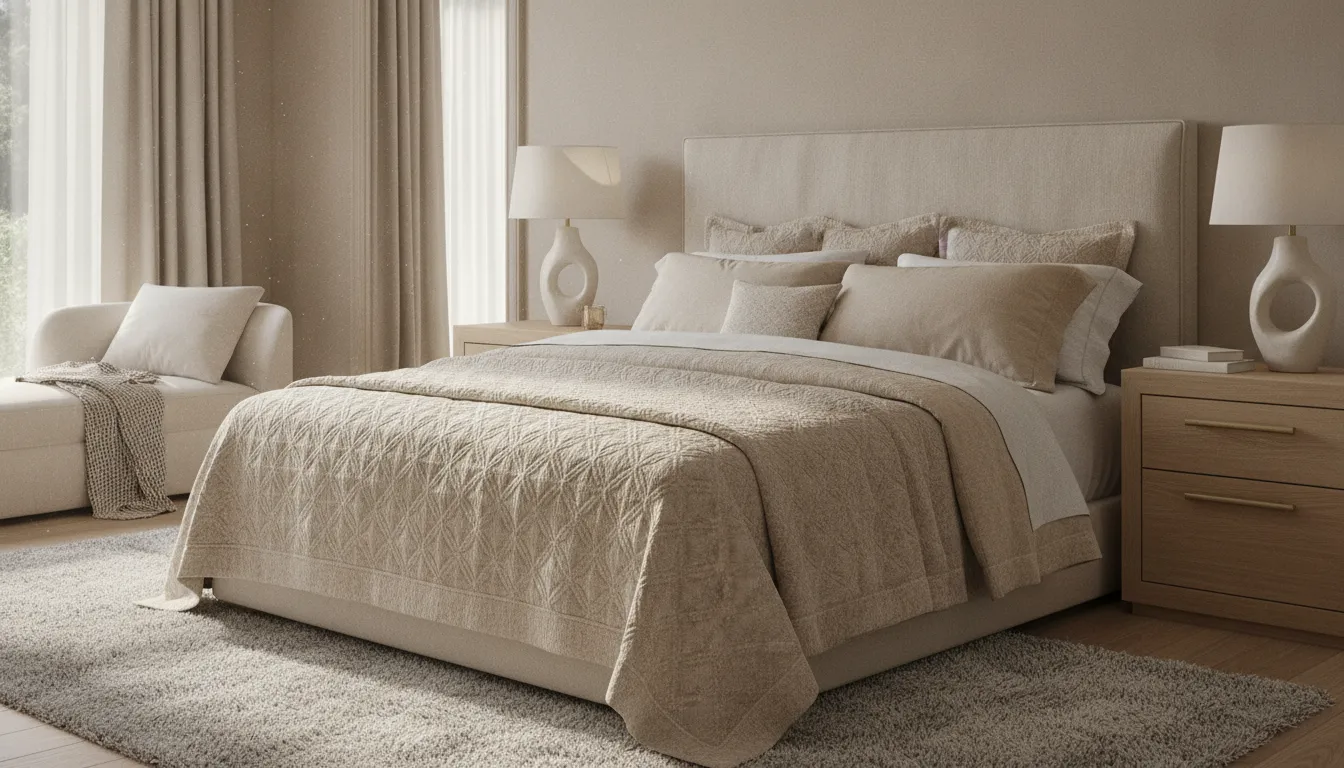
Explore the Lili Alessandra coverlets collection to compare texture, color, and proportion across luxury bed layers.
How Is Matelasse Different From a Traditional Quilt?
Matelasse and traditional quilts both add texture, but they create dimension in different ways. A quilt is assembled from fabric layers and filling, then secured with stitching. Matelasse achieves its raised surface through weaving. The distinction affects the textile's hand, profile, drape, and visual character.
| Feature | Matelasse | Traditional quilt |
|---|---|---|
| Surface | Raised through woven construction | Built through stitched layers |
| Visual character | Continuous, embossed, and tailored | Stitched, patchworked, or visibly quilted |
| Design role | Refined coverlet or decorative bed layer | Textural layer with a more overtly crafted appearance |
| Selection cues | Pattern scale, drape, fiber, and finish | Stitching, fill, patchwork, weight, and warmth |
A matelasse cover can resemble a quilt without functioning as a traditional quilt. This difference is useful when a bedroom needs visual dimension without a heavily padded profile. It also explains why product details matter. Two bed covers may have similar patterns while differing significantly in weight and hand.
Neither construction is automatically more modern. A disciplined geometric quilt can feel contemporary. An ornate matelasse can feel traditional. The surrounding palette, furniture, and styling determine how the textile reads in the room.
For more context, read the guide to what a coverlet is. It explains how a coverlet differs from a bedspread and how coverage influences the finished bed.
Why Does Raised Texture Matter in a Contemporary Bedroom?
Raised texture matters because it gives a restrained bedroom depth without requiring a busy print. A modern matelasse bed cover can introduce movement across a quiet palette, soften crisp architectural lines, and separate smooth sheets from decorative accents. The result feels layered, but not crowded.
Texture adds depth without visual clutter
A neutral matelasse cover provides the variation that a strong color might otherwise create. Ivory, warm white, sand, and stone allow the woven motif to remain the focal point. This approach works especially well when walls, upholstery, and flooring already have a rich but restrained material palette.
Texture also helps clarify the roles of each bed layer. Smooth sheets create a clean foundation. The matelasse cover establishes structure. A velvet pillow or linen accent adds a different tactile note. Each surface becomes easier to appreciate because the textiles are not competing for the same role.
Can matelasse feel modern or traditional?
Matelasse can support either direction. A tonal pattern, simple fold, and limited pillow arrangement create a modern interpretation. An ornamental motif, layered shams, and a richer color story lean classic. Pattern scale and proportion often matter more than the label attached to the textile.
A large-scale motif can look contemporary when it has room to breathe. A small repeating pattern can feel traditional beside ornate furniture. Consider the whole room before deciding whether a particular coverlet feels current.
How Should You Style a Modern Matelasse Bed Cover?
Style a modern matelasse bed cover through proportion, contrast, and editing. Begin with the practical foundation, use the coverlet as the principal textural element, and finish with only the accents that support the room. This keeps the raised pattern visible and the overall composition polished.
- Start with a smooth foundation. Use fine sheets or another understated base beneath the cover. Cotton sateen creates a polished contrast, while linen brings a softer, relaxed note. Browse the Lili Alessandra bedding collection for coordinated inspiration.
- Choose intentional placement. Pull the coverlet toward the head of the bed for an enveloping finish. Fold it across the lower third when you want the raised pattern to act as an accent. Keep the fold neat, but do not compress the textile so tightly that the relief disappears.
- Use contrast instead of duplication. Pair woven dimension with smooth sheets, matte linen, or a touch of silk velvet. Repeating one surface across every layer can make the bed feel heavy. Contrast gives the eye a reason to move across the arrangement.
- Edit the pillow composition. Establish the largest forms first, then add smaller decorative pillows with purpose. Vary silhouette and scale rather than placing many similar pieces together. A plush velvet accent can introduce softness while preserving the coverlet as the central layer.
- Repeat one quiet detail. Echo a color or texture in a throw, bench, rug, or drapery panel. The repetition should be subtle. It helps the bed belong to the room without making the space feel overly matched.
The finished arrangement should feel considered rather than crowded. A textured coverlet gives the room enough visual interest for the surrounding styling to remain selective.
Which Materials and Colors Suit a Modern Layered Look?
Material and color determine whether a layered bed feels crisp, relaxed, or richly cocooning. Start with the hand of the coverlet, then select supporting textiles that create a deliberate contrast. A composed palette lets the woven relief remain visible from across the room.
Pair the raised surface with a calmer base
Fine cotton can sharpen the look of a textured cover. Linen can soften it with a natural, gently rumpled finish. Bamboo viscose can provide a fluid base beneath a more structured layer. Each combination changes the mood without requiring a dramatic color shift.
Care requirements should guide the final choice. Do not assume every matelasse textile has identical washing instructions or performance. Read the product details for fiber content, dimensions, finish, and care before purchasing.
Lili Alessandra's Caribbean Matelasse Coverlets are described as 100% premium cotton matelasse, made in Portugal, naturally wrinkle-resistant, and machine washable. Those details apply to that collection and should not be treated as universal qualities of every matelasse bed cover.
Use color to control visual weight
Light neutrals make the relief look airy and architectural. Warm ivory and sand can create a softly layered bedroom with European-inspired elegance. A muted mineral shade can add definition while remaining quiet. If the coverlet is deep in tone, keep nearby accents simpler so the surface remains legible.
Color does not need to match exactly across the bed. Related tones often look more sophisticated than identical ones. Pair warm white with ivory, or stone with muted taupe. Small differences allow each textile to retain its own character.
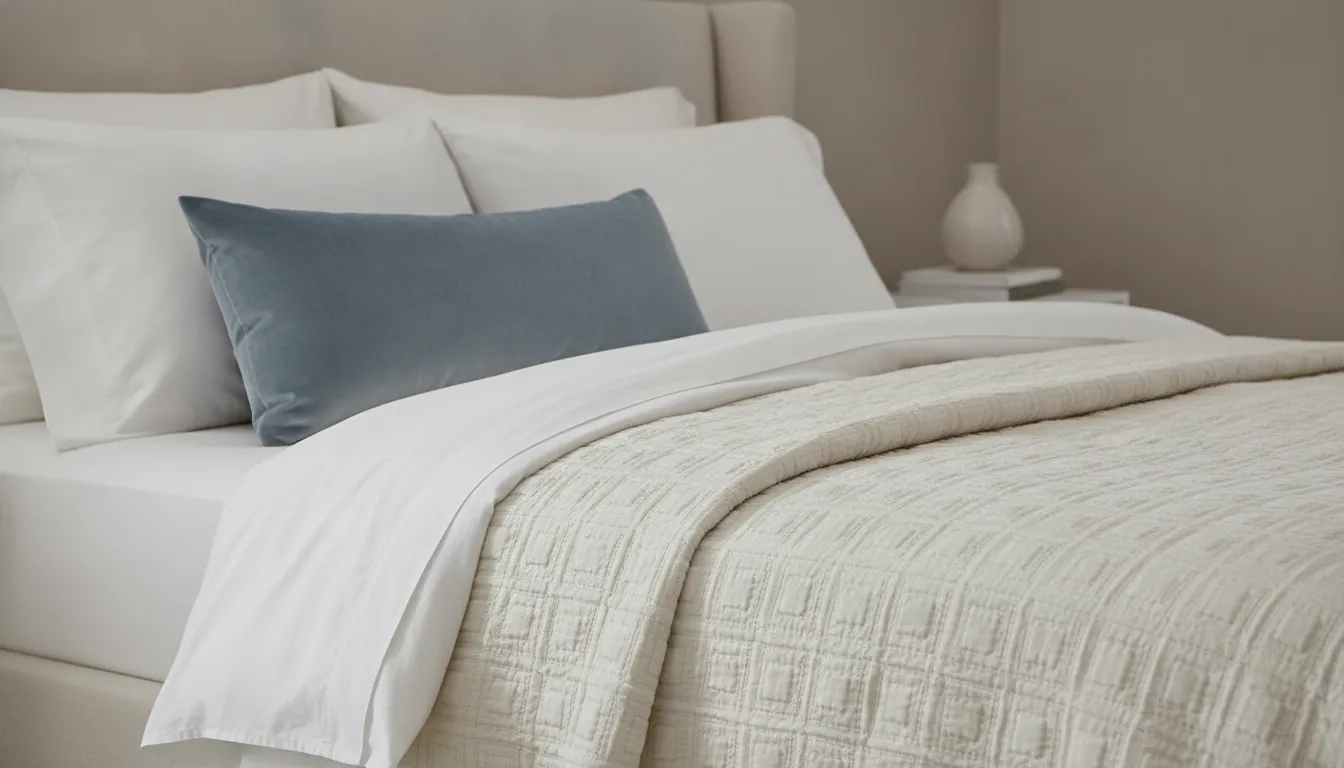
For another material perspective, read the European linen bedding guide. For a fluid foundation, explore the bamboo sheets guide and follow the care instructions for the exact product.
What Should You Look For Before Buying?
Before buying a modern matelasse bed cover, evaluate the motif, dimensions, hand, and care requirements. The right piece should complement the room's architecture and the layers already in place. Product specifications are more reliable than broad assumptions about the category.
Consider motif scale and visual rhythm
Look at the pattern in relation to the mattress and headboard. A closely repeated motif can feel tailored and discreet. A larger geometric or botanical motif can become the room's focal point. If pillows, rugs, or drapery already have strong pattern, a quieter coverlet may create better balance.
Confirm dimensions and intended drop
Measure the mattress depth, foundation, and any layer the coverlet needs to cover. Compare those measurements with the finished dimensions on the product page. Queen and king styles do not always share the same proportions across collections.
Decide whether you want the coverlet to finish near the top of the mattress. Fall farther over the sides, or frame a folded duvet at the foot of the bed. Each choice creates a different silhouette. The preferred result depends on the room and the amount of foundation you want to show.
Assess hand feel and care
Texture should feel inviting rather than stiff or overly dense. Consider how the cover will be used, whether it will serve as a decorative top layer, and how often it will need cleaning. Follow the care instructions for the exact product so the textile retains its beauty.
Interior designers and trade professionals should also consider the broader scheme before specifying a coverlet. The finished textile should support the room's palette, scale, and intended use. Lili Alessandra's To The Trade Program offers a pathway for professional sourcing and support.
Connect with a Lili Alessandra Design Advisor
Frequently Asked Questions About Modern Matelasse Bed Covers
What does matelasse mean in bedding?
Matelasse describes a woven textile with a raised, embossed surface. The relief is created within the weave, giving the fabric dimensional character that can resemble quilting or embroidery. Its actual weight, warmth, drape, and care requirements depend on the fiber and construction of the specific coverlet.
What is the main difference between a quilt and matelasse?
A quilt is generally made by stitching fabric layers around batting or another filling. Matelasse creates its raised surface through weaving. The two can look similar, but their construction, hand, profile, and drape may differ. Product details provide the best guide when comparing individual pieces.
Is a matelasse bed cover modern or traditional?
It can suit either design direction. Pattern scale, color, furniture, and styling determine the final impression. Tonal color, clean placement, and a restrained pillow composition tend to make matelasse feel more contemporary. Ornamental patterns and richer layering can create a classic interpretation.
How do you style a contemporary matelasse bed cover?
Pair it with smooth sheets, introduce one contrasting texture such as linen or velvet, and edit the pillow arrangement carefully. Fold the coverlet across the lower third when you want to highlight its raised surface. Keep the surrounding palette related rather than perfectly matched.
What materials are commonly used for matelasse bedding?
Matelasse may be woven from cotton, linen, wool, or synthetic fibers. Finished performance depends on the exact fiber, weave, pattern, and care instructions. Always review the specifications for the individual coverlet. Lili Alessandra's Caribbean Matelasse Coverlets are specifically described as 100% premium cotton.


